
Bombay Talkies (film)
Anthology celebrating 100 years of Indian cinema.

Shruti Swamy from India · Public domain
Bombay Talkies is a 2013 Hindi-language anthology film from India, made up of four short films. The directors were Karan Johar, Dibakar Banerjee, Zoya Akhtar, and Anurag Kashyap. It came out on 3 May 2013, timed to mark the 100th anniversary of Indian cinema and the start of a new phase in modern filmmaking. The name references the Bombay Talkies studio from the 1930s. The film was shown at the 2013 Cannes Film Festival on 17 May 2013.
This was the first of three anthology films by these four directors. The later ones were *Lust Stories* (2018) and *Ghost Stories* (2020), both released on Netflix.
The movie brings together four separate short stories, each directed by a well-known contemporary filmmaker. The plots touch on identity, artistic integrity, parental expectations, and repeating family patterns.
In Karan Johar’s segment, “Ajeeb Dastaan Hai Yeh,” a young man named Avinash tells his father he is gay and leaves home after being shamed. At a train station, he meets a girl singing the old song “Ajeeb Dastaan Hai Yeh.” Avinash gets an internship at a magazine and befriends a colleague named Gayatri, who is married to a rigid man named Dev. When Avinash tells her he is gay, she is accepting. She invites him to dinner, having told Dev beforehand. During the meal, Avinash and Dev bond over old Hindi films, and a moment of closeness makes Dev react noticeably. Later, Avinash visits Dev alone, gives him a music CD, and urges him to “come out.” He takes Dev to see the singing girl, who performs “Lag Jaa Gale.” Dev gives her a lot of money and questions her honesty. Avinash believes Dev is a closeted gay man, but the next day Gayatri happily says she and Dev had a passionate night. Frustrated, Avinash confronts Dev at work and tries to embrace him; Dev beats him up, triggering memories of his father’s abuse. Dev later visits Avinash to apologize, but attacks him again before kissing him. Avinash throws him out and tells Gayatri the truth. She rejects Dev when he tries to kiss her, realizing his repressed sexuality doomed their marriage, and ends the relationship. The story ends with Avinash alone on his bed, Gayatri putting on makeup independently, and Dev homeless beside the singing girl. When she asks for money, he says he has none; she calls him a liar, and he repeats her earlier line about lying being bad.
Dibakar Banerjee’s segment, “Star,” is based on
- release_date
- 3 May 2013
- directors
- Karan Johar, Dibakar Banerjee, Zoya Akhtar, Anurag Kashyap
- language
- Hindi
- country
- India
- genre
- Anthology film
- screened_at
- 2013 Cannes Film Festival on 17 May 2013
Lore & Background
The film comprises four distinct short films compiled as an anthology celebrating Indian cinema. The first segment, 'Ajeeb Dastaan Hai Yeh' directed by Karan Johar, follows Avinash, a young man who declares his homosexuality to his father and leaves home. He befriends Gayatri, whose husband Dev struggles with repressed desires, leading to a violent confrontation and the dissolution of their marriage. The second segment, 'Star' directed by Dibakar Banerjee, adapted from Satyajit Ray's short story, follows Purandar, a failed stage actor who lands a one-word role in a film and delivers a deeply calculated performance after a vision of his mentor. The third segment, 'Sheila Ki Jawaani' directed by Zoya Akhtar, centers on twelve-year-old Vicky, who secretly loves Bollywood dancing despite his father's insistence on football, and eventually performs to raise funds for his sister's school trip. The fourth segment, 'Murabba' directed by Anurag Kashyap, follows Vijay, who travels to Mumbai to fulfill his ailing father's wish of feeding homemade murabba to Amitabh Bachchan, only to have the preserve destroyed and replaced, revealing a generational secret.
Reader's Guide
Bombay Talkies marked the first of three anthology films from Johar, Banerjee, Akhtar and Kashyap, followed by Lust Stories in 2018 and Ghost Stories in 2020. The film was screened at the 2013 Cannes Film Festival on 17 May 2013. Its release coincided with the 100th year of Indian cinema, and the title pays homage to the 1930s film studio Bombay Talkies. The anthology format allowed each director to explore distinct themes—identity, artistic integrity, parental expectations, and generational cycles—within a unified celebration of Indian cinema. The film's significance lies in its collaborative nature, bringing together four prominent contemporary directors to create a single work that reflects on the past and present of Indian filmmaking.
Did You Know?
- The film was the first of three anthology films from Johar, Banerjee, Akhtar and Kashyap, followed by Lust Stories in 2018 and Ghost Stories in 2020.
- The segment 'Star' was adapted from Satyajit Ray's short story 'Patol Babu, Film Star'.
- The segment 'Murabba' features Amitabh Bachchan playing himself.
- The film screened at the 2013 Cannes Film Festival on 17 May 2013.
A Centennial Ode to Indian Cinema
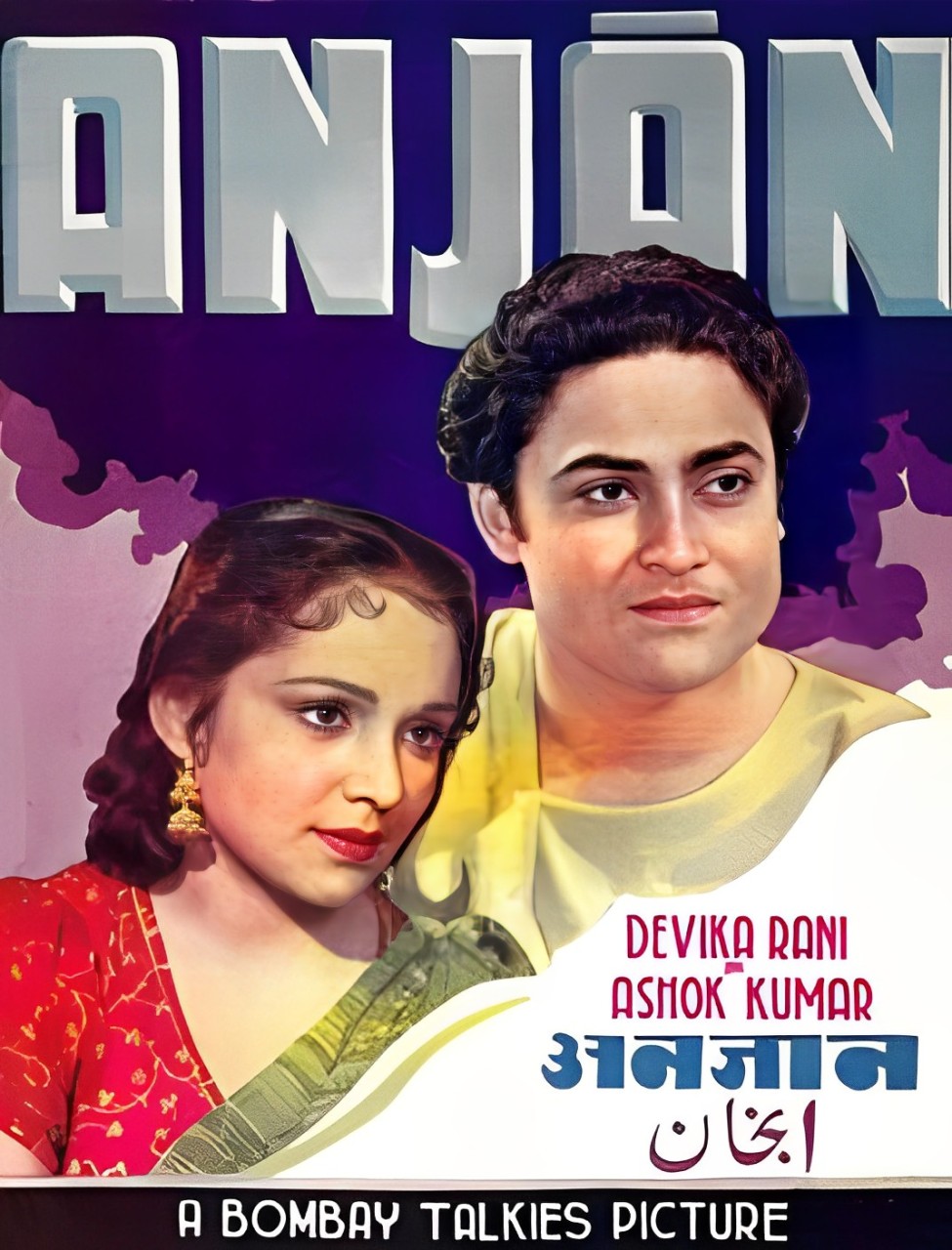
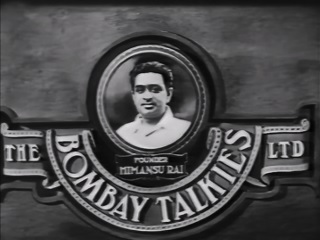
Bombay Talkies arrived on 3 May 2013 as a deliberate tribute to a century of Indian filmmaking. The title itself is a nod to the legendary 1930s studio that once produced some of the earliest talkies in the country, linking the film's modern sensibility to the industry's foundational era. Four of Hindi cinema's most prominent contemporary directors—Karan Johar, Dibakar Banerjee, Zoya Akhtar, and Anurag Kashyap—united their talents to craft a single feature built from four independent short films. The project was conceived not merely as entertainment but as a marker of transition, celebrating what Indian cinema had achieved over a hundred years while signaling the arrival of a new creative chapter. The film's international visibility was cemented when it was selected for screening at the 2013 Cannes Film Festival on 17 May, placing this distinctly Indian anthology on one of the world's most prestigious stages and underscoring the global relevance of its storytelling.
Four Visions, One Screen
The anthology format allows each director to pursue a distinct thematic territory while contributing to a unified celebration of Indian storytelling. Karan Johar's segment, Ajeeb Dastaan Hai Yeh, delves into sexual identity, familial shame, and the complicated dynamics of repressed desire within a marriage. Dibakar Banerjee adapts Satyajit Ray's short story Patol Babu, Film Star, channeling it into a meditation on artistic integrity and the dignity an actor brings even to the smallest role. Zoya Akhtar's Sheila Ki Jawaani examines gendered expectations in childhood, where a boy's passion for dance clashes with his father's insistence on traditionally masculine pursuits. Anurag Kashyap rounds out the collection, completing the thematic spectrum that spans identity, creative devotion, parental pressure, and the cyclical nature of generational behavior. Together, the four segments form a mosaic of contemporary Indian life, each lens sharpening a different facet of what it means to live, create, and belong.
The Stories Within
Each short film in Bombay Talkies builds its emotional architecture around a single, transformative moment. In Johar's segment, Avinash's journey from a defiant coming-out to a painful misreading of his friend's husband's desires culminates in a violent confrontation that surfaces his own childhood trauma, while Gayatri's eventual realization that her marriage was hollowed out by Dev's repression grants her a hard-won liberation. Banerjee's Purandar, a proud stage actor reduced to a one-word line on a film set, finds his late mentor's voice in his memory and transforms a humiliating pedestrian role into an act of pure artistic devotion, rushing home to finally give his daughter the story she has always craved. Akhtar's Vicky, a twelve-year-old who dances in his mother's clothes when the house is empty, musters the courage to perform publicly after hearing Katrina Kaif speak about protecting one's dreams, and ultimately organizes a ticketed recital with his sister to raise the money her father refused to spend on her school excursion.
A Trilogy in Motion
Bombay Talkies was never meant to be a one-off experiment. It inaugurated a three-film anthology series by the same quartet of directors, establishing a collaborative model that would carry them through the following decade. The second installment, Lust Stories, arrived in 2018, and the third, Ghost Stories, followed in 2020; both of the latter two found their audience through the streaming platform Netflix, reflecting the shifting landscape of how Indian cinema reaches viewers. This progression from a theatrical centennial celebration to a streaming-era continuation highlights how the four filmmakers adapted their collective voice to changing distribution realities while preserving the anthology's core appeal: multiple perspectives, distinct voices, and the freedom each director enjoys within a shared framework. The Bombay Talkies project thus stands as both a singular milestone in Hindi cinema's history and the opening chapter of an ongoing creative partnership that has continued to evolve.
Gallery

Frequently Asked Questions
What is Bombay Talkies (film)?
Bombay Talkies is a 2013 Hindi anthology film structured as four independent short stories, each directed by a different filmmaker. The title is a nod to the iconic Bombay Talkies studio active in the 1930s.
Who directed the four segments of Bombay Talkies?
Karan Johar, Dibakar Banerjee, Zoya Akhtar, and Anurag Kashyap each helmed one of the four shorts. This same quartet went on to make two further anthology projects, Lust Stories (2018) and Ghost Stories (2020).
Why was Bombay Talkies made and when did it come out?
The film was conceived to mark the 100th anniversary of Indian cinema, serving as a bridge between the industry's early legacy and its modern phase. It opened in Indian theatres on 3 May 2013.
Was Bombay Talkies shown at a major film festival?
Yes, the film was screened at the 2013 Cannes Film Festival on 17 May 2013, giving it an international debut shortly after its domestic release.
Is Bombay Talkies one continuous story or separate ones?
It is not a single narrative; rather, it is an anthology where each of the four directors tells a completely self-contained short story. The segments share no plot or characters but are united by their celebration of Indian filmmaking's centenary.
More in Indian film series 1-24
Spotted an error? Know more?
This is a living reference — every entry is fact-audited, and reader corrections feed straight into our audit queue. Suggest an edit · See this site's audit record